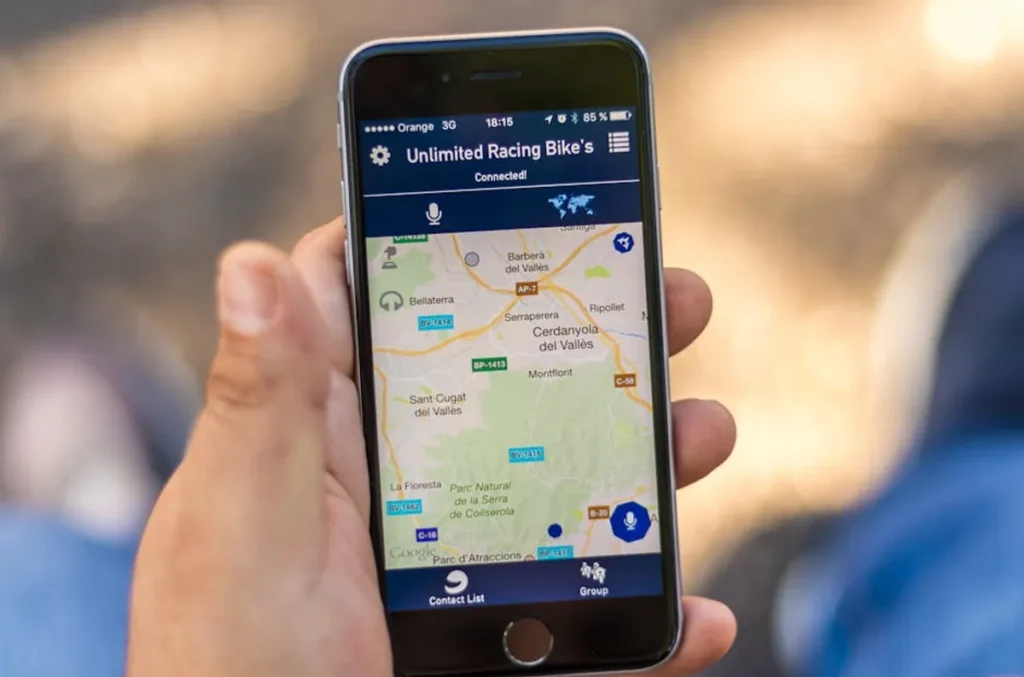
For any local business, visibility on Google Maps directly translates to foot traffic, phone calls, and website visits. Unlike traditional organic search results, Google Maps rankings are highly localized and personalized, making their tracking a distinct and critical component of local SEO strategy. Understanding where a business ranks on Maps for specific, geographically-relevant keywords provides direct insight into its local market penetration and the effectiveness of its local optimization efforts. Without precise tracking, businesses operate without a clear understanding of their competitive standing in the very local search environment that drives their immediate customer base.
Understanding Google Maps Ranking Factors
Google Maps rankings are determined by a distinct set of factors that prioritize local relevance and user experience. These core elements dictate a business's position in the local pack and within the full Maps interface:
- Proximity: This is the physical distance between the searcher's location and the business's address. Google prioritizes businesses closest to the searcher, especially for "near me" queries. The exact impact varies based on query type; a search for "coffee shop" will heavily weight proximity, while "specialized antique dealer" might prioritize relevance and prominence over immediate distance.
- Relevance: How well a business's Google Business Profile (GBP) matches the intent of a user's search query. This includes the categories chosen, services listed, and keywords used within the business description and posts. A complete and accurate GBP is fundamental for Google to understand what a business offers and to match it with relevant searches.
- Prominence: This refers to how well-known and authoritative a business is in the real world and across the web. Factors include the number and quality of reviews (both quantity and average rating), local citations (consistent Name, Address, Phone across directories), links from other websites, and organic web search ranking signals. Businesses with a strong online and offline reputation tend to rank higher.
Why Track Google Maps Rankings?
Tracking Google Maps rankings provides actionable intelligence crucial for local business growth and competitive analysis:
Measure Local SEO Effectiveness: Direct visibility into whether optimization efforts (e.g., GBP updates, review generation, local link building) are improving local search performance. Without tracking, it is difficult to attribute changes in local traffic or calls to specific SEO actions.
Identify Market Opportunities: Pinpoint keywords where a business is underperforming in specific areas, revealing opportunities to target new local search terms or optimize for underserved neighborhoods. This allows for a more granular approach to local market penetration.
Monitor Competitor Performance: Observe how competitors rank for shared keywords in various locations. This insight helps in understanding their local SEO strategies, identifying their strengths, and spotting gaps in their local visibility that your business can exploit.
Demonstrate ROI: For agencies and consultants, consistent rank tracking data provides concrete evidence of progress and justifies ongoing local SEO investments. It quantifies the impact of their work on a client's local search presence.
Key Considerations for Maps Rank Tracking
Tracking Google Maps rankings presents unique challenges compared to traditional organic search, primarily due to the dynamic and localized nature of the results:
Location Specificity
Google Maps results are highly dependent on the searcher's physical location. A business might rank #1 in its immediate vicinity but drop significantly a few miles away. Effective tracking requires querying from multiple, specific geographic points (e.g., specific zip codes, street addresses, or even precise latitude/longitude coordinates) to get an accurate picture of local visibility across a target service area.
Device and Personalization
Results can vary slightly based on the device used (mobile vs. desktop) and the user's search history or Google account activity. While less impactful for local pack results, personalization can still introduce minor fluctuations. Consistent tracking methodology across devices or a focus on non-personalized results from a neutral standpoint helps mitigate this.
Local Pack vs. Full Maps Results
The "local pack" (the 3-pack of businesses displayed directly in organic search results) is often the most valuable placement due to its prominence. Tracking should differentiate between rankings within this pack and rankings further down in the full Google Maps interface. The strategies to rank in the pack can differ slightly from those for broader Maps visibility.
Pro Tip: Google Maps rankings are highly dynamic due to personalization and real-time proximity. Consistent, location-specific tracking is essential to identify genuine trends versus daily fluctuations. Focus on average positions over time rather than daily snapshots.
Setting Up Your Google Maps Rank Tracking
Establishing a robust Maps rank tracking system involves several practical steps to ensure data accuracy and relevance:
Identify Target Keywords
Focus on keywords with clear local intent. These include "service + city" (e.g., "plumber Austin"), "service + near me" (e.g., "bakery near me"), or "category + neighborhood" (e.g., "pizza restaurant Soho"). Include brand-specific local queries if applicable (e.g., "Starbucks [city]").
Define Tracking Locations
Beyond the business's primary address, select a grid of specific points within its service area. This could be every zip code, a 1-mile radius around the business, or key intersections in target neighborhoods. The more granular the locations, the more detailed the visibility map.
Establish a Baseline
Before implementing any new local SEO strategies, record current rankings for all chosen keywords across all defined locations. This baseline data is crucial for measuring future progress and attributing success to specific actions.
Choose a Tracking Methodology
Manual checks are time-consuming and prone to inaccuracy due to personalization. Automated tools are designed to simulate searches from specific geographic coordinates, providing consistent and unbiased data. These systems allow for scheduled checks, historical data retention, and reporting capabilities essential for long-term analysis.
Analyzing and Acting on Your Maps Ranking Data
Raw ranking data is only valuable when analyzed and translated into actionable insights:
Spot Trends and Fluctuations
Look for consistent upward or downward movement in rankings. Short-term daily fluctuations are common; focus on weekly or monthly averages to identify genuine trends. Correlate ranking changes with specific local SEO activities, such as recent GBP updates, new reviews, or local citation building.
Identify Performance Gaps
Pinpoint keywords or geographic areas where rankings are consistently low. This indicates where optimization efforts need to be concentrated. For example, if a business ranks well for "dentist" but poorly for "emergency dentist" in a specific suburb, it signals a need to optimize GBP categories or service descriptions for that specific query and location.
Competitive Benchmarking
Compare your rankings against those of key local competitors. If a competitor consistently outranks you in a particular area, investigate their GBP, review profile, and local citation strategy for clues.
Optimizing for Improved Maps Visibility
Leveraging rank tracking data informs a focused optimization strategy:
Google Business Profile (GBP) Optimization
Ensure the GBP is 100% complete and accurate: business name, address, phone number, website, hours, categories, services, and attributes. Regularly post updates, photos, and answer customer questions. Encourage and respond to reviews promptly and professionally.
Cultivate Reviews and Ratings
A high volume of positive, recent reviews significantly boosts prominence. Implement strategies to ethically encourage customers to leave reviews. Respond to all reviews, positive and negative, demonstrating engagement and customer care.
Build Local Citations
Maintain consistent Name, Address, Phone (NAP) information across all online directories (Yelp, Yellow Pages, local chambers of commerce, industry-specific sites). Inconsistent NAP data can confuse Google and dilute prominence signals.
Develop Localized Content
Create website content that targets local keywords and addresses local interests. This could include blog posts about local events, community guides, or service pages tailored to specific neighborhoods. This helps Google understand the business's local relevance.
Technical Local SEO
Ensure the business website is mobile-friendly, loads quickly, and includes local schema markup (e.g., LocalBusiness schema) to explicitly tell search engines about the business's physical location and services. This reinforces local relevance signals.
Sustained Local Presence through Consistent Tracking
Google Maps is a dynamic environment where local search results constantly adapt to user behavior, algorithm updates, and competitive activity. Achieving and maintaining a strong local presence requires more than a one-time optimization effort; it demands continuous monitoring and adaptation. Regular Google Maps rank tracking provides the necessary feedback loop, allowing businesses to react swiftly to changes, capitalize on emerging opportunities, and defend their market share against competitors. By integrating consistent tracking into their local SEO workflow, businesses can ensure their visibility remains robust, driving sustained local customer engagement and growth.
Frequently Asked Questions
How often should I track Google Maps rankings?
For most businesses, tracking weekly provides a good balance between observing trends and avoiding overreaction to daily fluctuations. High-volume, competitive markets might benefit from more frequent checks, while less dynamic niches can track bi-weekly or monthly.
Are Google Maps rankings different from organic web rankings?
Yes, they are distinct. While some factors like website authority and relevance overlap, Google Maps places a much heavier emphasis on proximity, Google Business Profile optimization, and review signals. A business can rank well in Maps but poorly in organic web search, and vice-versa.
Can I track competitor rankings in Google Maps?
Yes, effective Maps rank tracking allows you to monitor competitor performance for your target keywords across your defined locations. This is crucial for competitive analysis, identifying their strengths, and uncovering opportunities for your own business.
What is the "local pack" in Google Maps?
The "local pack" refers to the prominent box of 3-4 business listings that appears directly within Google's organic search results for local-intent queries. These listings are pulled from Google Maps and include a business's name, address, phone, rating, and a link to its GBP. Securing a spot in the local pack is highly valuable due to its high visibility.