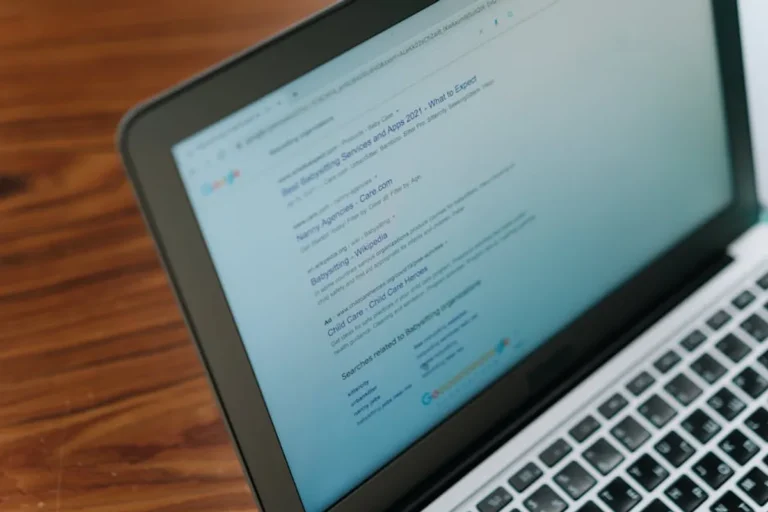
Understanding where your content ranks in search engine results pages (SERPs) is fundamental to any SEO strategy. For many site owners, marketers, and agencies, the immediate need is often a quick, unvarnished look at a specific keyword's performance or a competitor's visibility. This is precisely where a free SERP checker offers immediate utility: it provides a snapshot of current search results without requiring a subscription or extensive setup. While not a replacement for comprehensive ranking platforms, these tools serve as an invaluable first line of inquiry for spot-checking and validating on-the-fly SEO adjustments. This is precisely where a free SERP checker offers immediate utility: it provides a snapshot of current search results without requiring a subscription or extensive setup, allowing you to check search results and rankings.
Understanding What a Free SERP Checker Delivers
A free SERP checker is a web-based utility designed to simulate a search query for a given keyword and display the top organic results, mimicking what a user would see. Its core function is to bypass personalized search results and provide a neutral, location-specific view of the SERP for a single search term. This allows for an objective assessment of ranking positions for your own content or that of a competitor. This allows for an objective assessment of ranking positions for your own content or that of a competitor, helping you check search positions online.
How These Tools Function
When you input a keyword and specify a search engine (e.g., Google, Bing), along with a target country or city, the checker sends a request to the search engine. It then processes the returned SERP data, extracting key information such as the ranking URL, the page title, and the meta description. The tool typically presents this information in an ordered list, reflecting the organic search positions.
Key Data Points from a Free SERP Checker
While their capabilities are generally more constrained than paid alternatives, free SERP checkers provide several critical data points:
- Organic Ranking Position: The most direct insight, indicating where a specific URL appears for a given keyword.
- Ranking URL: The exact page that Google (or another search engine) has deemed most relevant for the query.
- Title Tag and Meta Description: These elements, as displayed in the SERP, are crucial for click-through rates and can reveal optimization opportunities.
- SERP Features (Limited): Some free tools may indicate the presence of basic SERP features like featured snippets, image carousels, or local packs, though this varies significantly by tool and is often less comprehensive than with paid platforms.
- Geographic Specificity: The ability to specify a country, state, or even city for the search, providing localized ranking data.
Strategic Advantages of Using Free SERP Checkers
These tools, despite their limitations, offer distinct benefits for tactical SEO operations:
Immediate Validation of Optimization Efforts: After publishing new content or making on-page SEO adjustments, a free checker allows for a quick verification of ranking movement for target keywords. This immediate feedback loop helps confirm if changes are having the intended effect.
Targeted Competitive Analysis: For specific, high-value keywords, you can quickly see which competitors are ranking and analyze their title tags and meta descriptions. This provides actionable intelligence for refining your own content and messaging.
Local SEO Spot Checks: Businesses operating in specific geographic areas can use these tools to confirm their local rankings for "near me" or geo-modified queries. This is particularly useful for verifying Google Business Profile visibility.
Ad-Hoc Keyword Research: While not a primary keyword research tool, a free checker can help validate the competitiveness of a keyword by showing the current top-ranking pages and their authority.
Navigating the Limitations of Free Tools
It is crucial to approach free SERP checkers with an understanding of their inherent constraints:
Single-Query Focus: Most free tools are designed for individual, manual checks. They do not offer bulk keyword tracking, historical data, or automated reporting, which are essential for long-term SEO strategy.
Limited Geographic Scope: While some allow country or city selection, the granularity or number of locations supported may be less extensive than with paid solutions.
Absence of Historical Data: Free checkers provide a real-time snapshot only. They cannot track ranking fluctuations over time, making it difficult to identify trends or measure the long-term impact of SEO campaigns.
Incomplete SERP Feature Reporting: The complexity of modern SERPs means that free tools often only display the "10 blue links" and may miss nuanced features like People Also Ask boxes, video carousels, or advanced rich snippets.
No API or Integration: These tools typically operate as standalone web interfaces, lacking the API access or integration capabilities that allow paid platforms to connect with other SEO or reporting systems.
Pro Tip: Always conduct multiple checks for critical keywords, varying the location slightly or using different free tools. Google's search results are highly dynamic and personalized; a single check, even with a neutral tool, may not represent the absolute universal ranking. Use these tools for directional insights rather than definitive, unchangeable metrics.
Integrating Free SERP Checkers into Your Workflow
For SEO professionals and agencies, free SERP checkers can augment existing strategies:
For Content Teams
Use them to quickly evaluate the ranking potential of new content ideas by checking existing competition, or to verify the immediate impact of content updates on target keywords.
For Client Reporting and Pitches
While not for comprehensive reporting, a quick check can provide a tangible example of a client's current ranking for a specific, high-priority keyword during a meeting. For sales pitches, it can illustrate immediate opportunities by showing competitor dominance for a key term.
For Technical SEO Audits
Confirm that specific URLs are indeed ranking for their intended keywords post-technical fixes, ensuring that indexing and crawlability issues have been resolved and are translating to visibility.
Strategic Use of Free SERP Checkers
Free SERP checkers are valuable for their immediacy and accessibility. They serve as an entry point for understanding search visibility, offering quick insights for tactical adjustments and competitive reconnaissance. They are most effective when used as a complementary tool within a broader SEO framework, providing rapid validation for specific queries without the overhead of a full-scale tracking platform. For deep analysis, historical trend identification, and automated monitoring across a large keyword portfolio, dedicated paid solutions remain necessary. However, for the daily demands of spot-checking, competitive intelligence gathering, and validating recent optimizations, a free SERP checker is an indispensable component of any SEO toolkit.
Frequently Asked Questions
Are free SERP checkers always accurate?
Free SERP checkers aim to provide an unpersonalized view of search results. While generally reliable for organic positions, minor discrepancies can occur due to Google's dynamic algorithm, server locations, and ongoing testing. They offer a strong indication but should be cross-referenced for critical data.
How often should I use a free SERP checker?
Use them as needed for spot checks: after publishing new content, making significant on-page SEO changes, or when monitoring a competitor's movement for a specific keyword. They are not designed for daily, automated tracking across a large keyword set.
Can I check rankings for any location globally?
Most free SERP checkers allow you to specify a country, and many offer city-level targeting for major regions. The granularity can vary, but generally, you can obtain localized results for most commercially relevant territories.
Do free SERP checkers track all types of SERP features?
Typically, free tools focus on the organic "10 blue links." While some may indicate the presence of basic SERP features like featured snippets or image packs, they usually do not provide comprehensive data on all the diverse elements that can appear in a modern SERP.