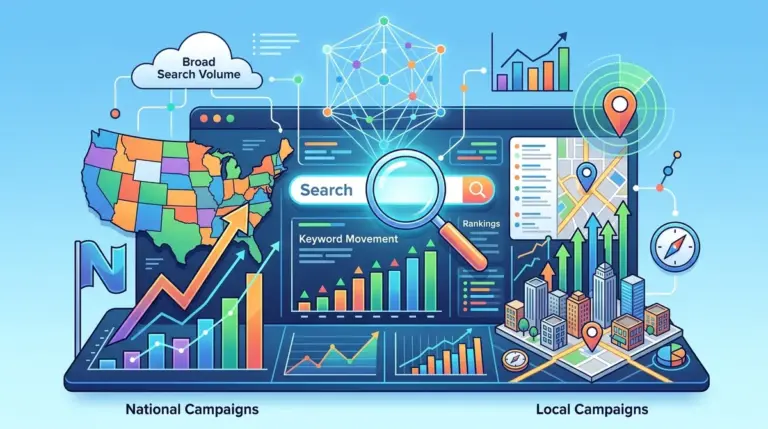
For any business with a physical presence or a defined service area, understanding local search visibility is paramount. A Local Rank Tracker is not merely a variation of a general keyword tracking tool; it’s a specialized platform designed to capture ranking data at a hyper-local level, specifically within cities, neighborhoods, and crucially, the Google Map Pack. This distinction is critical for local SEO professionals, agencies managing multiple client locations, and multi-location businesses aiming to dominate specific geographic markets. The decision to implement such a tracker hinges on the need for granular, actionable insights that traditional rank trackers cannot provide, directly impacting localized content strategies, Google Business Profile optimization, and competitive analysis. This distinction matters greatly when comparing how you are tracking keywords for national vs local campaigns.
Understanding Local SERP Visibility Beyond National Ranks
Traditional rank trackers typically report a single, often generalized, search engine results page (SERP) position for a given keyword. This approach fails local businesses because search results are highly localized. A search for "plumber" in Brooklyn will yield different results than the same search in Queens, even within the same city. A Local Rank Tracker addresses this by simulating searches from specific geographic coordinates or postal codes, revealing how a business ranks for target keywords within those exact areas.
This geographic specificity means you see the actual SERP a potential customer sees. It accounts for factors like user proximity, search history, and device location, which significantly influence local search outcomes. Without this precision, businesses risk optimizing for a generalized rank that does not reflect their true local market performance, leading to misallocated SEO resources and missed opportunities.
The Critical Role of Map Pack Monitoring
The Google Map Pack, also known as the Local Pack or 3-Pack, is a prominent feature at the top of many local search results. It showcases three businesses with their location on a map, contact details, and review ratings. For local businesses, ranking in the Map Pack often drives more direct leads—calls, website visits, and directions requests—than organic blue links below it.
A dedicated Local Rank Tracker provides specific insights into Map Pack performance. It tracks not just whether your business appears, but its exact position within the pack, changes over time, and how it compares to local competitors. This is distinct from organic rank tracking because Map Pack algorithms heavily weigh Google Business Profile optimization, reviews, and local citations, in addition to traditional SEO signals. Monitoring these positions allows businesses to directly measure the impact of their local listing optimization efforts.
Essential Features of a Robust Local Rank Tracker
An effective Local Rank Tracker provides a suite of features tailored to the nuances of local search. These capabilities move beyond simple keyword position reporting to offer a comprehensive view of local market performance.
- Hyperlocal Tracking: Ability to define specific tracking locations down to city, neighborhood, or even street level. This includes radius tracking, where results are monitored from various points within a specified geographic area.
- Map Pack & Organic SERP Data: Simultaneous tracking of both the Google Map Pack positions and the traditional organic search results for targeted keywords. This provides a complete picture of local visibility.
- Daily Data Updates: Frequent rank checks (ideally daily) to capture fluctuations and provide timely insights into algorithm changes or competitive movements.
- Historical Performance: Retention of extensive historical data, allowing for trend analysis, performance benchmarking, and identification of long-term ranking patterns.
- Competitor Monitoring: Tracking the local rankings of direct competitors for the same keywords and locations, revealing their strengths and weaknesses in the local landscape.
- Customizable Reporting: Flexible reporting options, including white-label capabilities for agencies, to present clear, actionable data to stakeholders or clients. This often includes performance dashboards and automated report delivery.
- Alerts & Notifications: Automated alerts for significant ranking drops or gains, ensuring immediate awareness of critical changes in local visibility.
Pro Tip: Consistent local rank tracking reveals seasonal trends and competitive shifts. Don't just check ranks occasionally; integrate daily or weekly monitoring into your routine. This proactive approach allows you to catch critical changes early, respond quickly to competitive threats, and capitalize on emerging local search opportunities before they become widespread.
Commercial Value: Leveraging Local Rank Data
The insights gained from a Local Rank Tracker translate directly into commercial advantages for various business types:
For Agencies: Provides concrete data to demonstrate ROI to clients, identify new local SEO opportunities, and justify ongoing service retainers. White-label reports enhance brand perception and client trust.
For Multi-Location Businesses: Enables benchmarking performance across different locations, identifying underperforming stores or service areas, and scaling successful local SEO strategies across the entire network. It helps prioritize resources where they are most needed.
For Small & Medium Businesses: Offers a clear understanding of local market presence, allowing for targeted optimization of Google Business Profile listings, local content, and review management strategies to attract nearby customers.
Interpreting Your Local Rank Data for Strategic Advantage
Raw ranking data is only valuable when translated into actionable strategies. When reviewing your Local Rank Tracker reports, look beyond just the numbers:
Identify Trends: Are your Map Pack rankings consistently improving or declining for certain keywords? Is there a seasonal pattern to your local visibility? Trends can indicate the effectiveness of recent SEO changes or highlight broader market shifts.
Analyze Competitor Performance: If a competitor suddenly overtakes you in the Map Pack for a key service, investigate their Google Business Profile, recent reviews, or local content updates. This competitive intelligence guides your own optimization efforts.
Pinpoint Geographic Weaknesses: If you rank well in one part of a city but poorly in another, it might indicate a need for more localized content, additional citations targeting the weaker area, or even a review solicitation strategy focused on customers in that specific zone.
Measure Impact of Changes: After optimizing your Google Business Profile, acquiring new local links, or launching a localized content campaign, use the tracker to directly measure the impact on your Map Pack and organic local rankings. This feedback loop is essential for refining your strategy.
Frequently Asked Questions
What is the primary difference between a local rank tracker and a general rank tracker?
A local rank tracker specifically simulates searches from precise geographic locations (cities, postal codes, neighborhoods) and often includes dedicated monitoring for the Google Map Pack, whereas a general rank tracker typically reports broader, less localized search engine results.
Why is Map Pack tracking so important for local businesses?
The Google Map Pack often appears at the very top of local search results, driving immediate high-intent actions like calls, website visits, and direction requests. Tracking these positions directly reflects a business's visibility in this critical, high-conversion section of the SERP.
How frequently should I track my local rankings?
Daily tracking is ideal for capturing fluctuations and staying immediately aware of significant changes. Weekly tracking is a minimum recommendation to maintain a responsive local SEO strategy and identify trends effectively.
Can a local rank tracker help with multi-location SEO?
Yes, it is indispensable for multi-location businesses. It allows for performance comparison across all locations, identifies regional strengths and weaknesses, and helps scale successful local SEO strategies consistently across the entire business footprint.